Three Peaks in Three Weeks – Trip Planning on a Tight Schedule

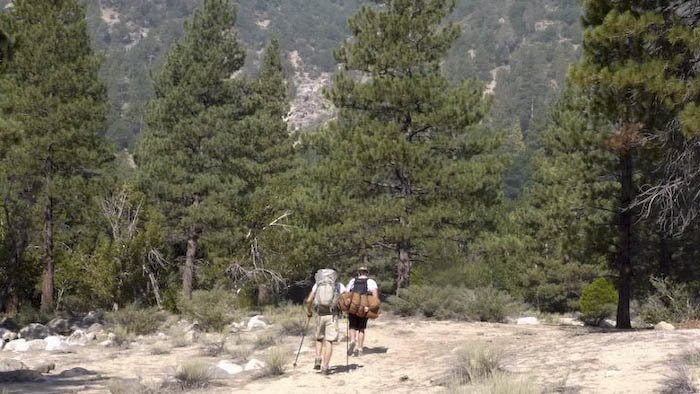
We both have full time Monday through Friday (sometimes Saturday and Sunday) jobs and it is difficult to break away to do long outdoor adventures.  Over the course of three weeks, we climbed three separate peaks with a few of our friends and family, planning around our work schedules.

We compiled a list of time saving tips we keep in mind when planning multi-day backpacking trips and the best way to take advantage of your weekends if you are busy with your careers like we are.

P1040613

Continue reading

Scoring Day-Use Permits for The Wave- Arizona

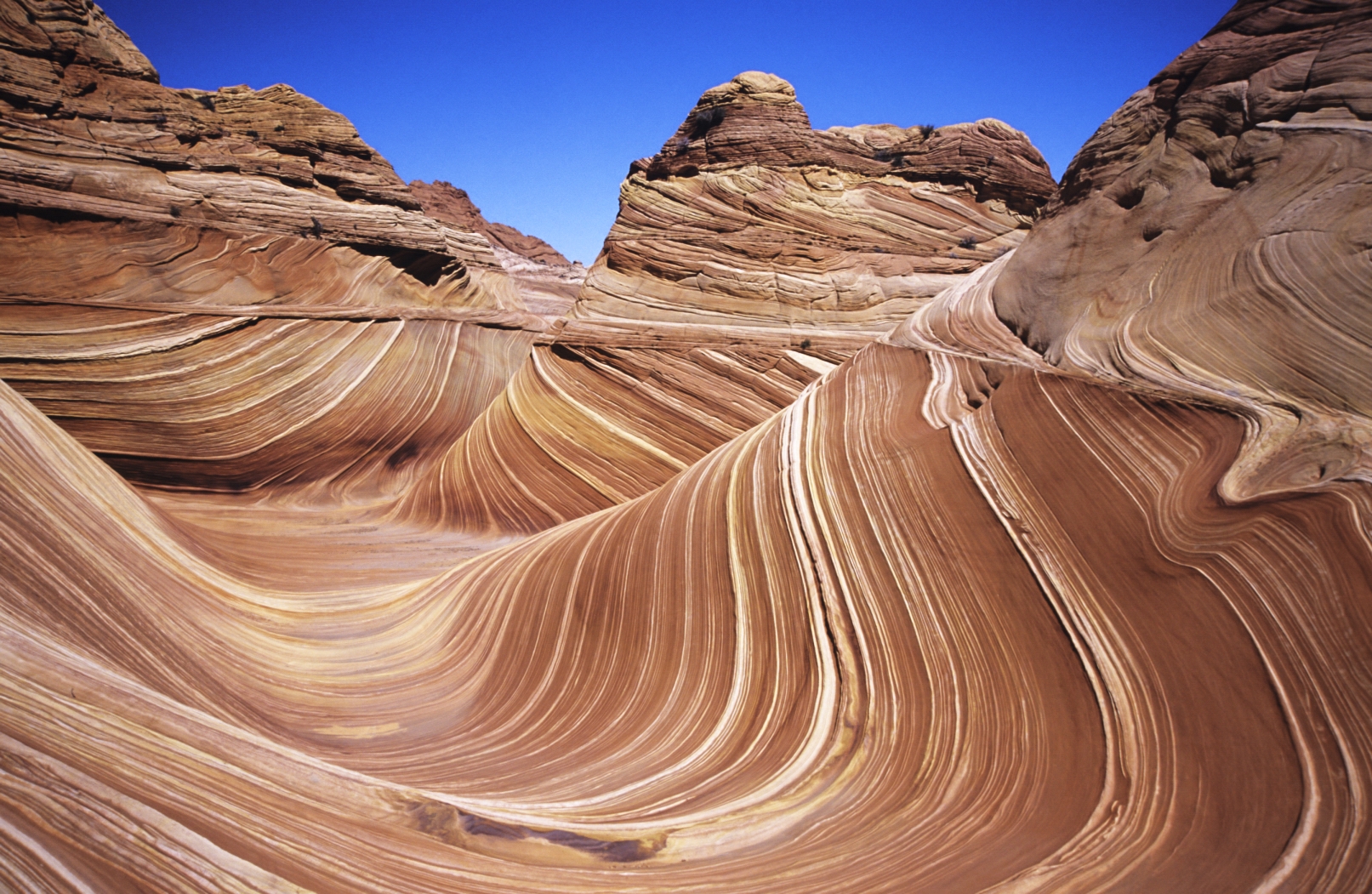
The Wave is an area located on the Arizona, Utah border. It is an geological marvel, red sand stones carved into wave-like striations covers 6-miles of  Bureau of Land Mangement (BLM) Land. This is a geological formation that is unique only to this region, there is nothing else like it anywhere else in the world. I think I first saw a photo of the Wave as a Windows 98 (95?) screen saver and thought it was the most memorizing landscape I’ve ever seen. We’ve been wanting to go for quite sometime and have applied for a day use permit once earlier this year but was unsuccessful. Our friends and I decided to try again last week and we were granted 6 day use permit passes for hiking the Wave on Sunday, October 27 this year!

The Wave, Arizona

Photo of The Wave courtesy of Wikipedia 

Continue reading

Pack Weight and Down Sizing

This week I was talking to Campfire Chic about pack weights and size, specifically about how some people carry quite a bit of gear for their over nighter and multi-day trips.

Everyone has a different way of backpacking – some of us are minimalist and some of us are luxury campers.  Most of my friends are heavy haulers, refusing to give up their 80 liter packs and 50-60 lb carry weight.  We get a lot of comments and questions about how we are able to pack several days worth of food and supplies in our small packs, and still have all our necessary gear.  The answer is simple, pack lighter and pack less.

294144_10100477426959401_4464083_n

Carrying everything inside the pack (left) versus carrying it all outside (right). My pack (left) was approximately 25 pounds on this trip.

Continue reading

How to take care of your gear post backpacking trip

After coming home from a multi-day backpacking trip, sometimes the last thing we want to do is unpack and cleanup our gear. The only thing that gets us going is knowing we can prolong the usage of our camping equipment by taking good care of it. Here’s a few tips we’ve learned from our trips to help extend the lifetime of your camping equipment.

  1. Pull your sleeping bag out of the compression sack to air out. Store the sleeping bag in a storage sack (they are much larger than the compression sack). Sleeping bags will deform if you leave it compressed in your stuff sack and the filling material will be displaced, leaving it lumpy.
  2. Before you unpack the tent for the hike back, make sure to tip the tent upside down to clean out any debris left inside the tent. This is an important step for us because Dakota usually pulls in a lot more dirt with her paws. Once home, make sure to pull out the tent to air out, it can be miserable sleeping in a stinky tent next time around.
  3. If you have a camel pack for water storage, make sure to empty out any remaining water from the sack. We disinfect the camel pack every couple of months with a couple drops of chlorine beach mixed with tap water. Tip the water sack upside down, using gravity, rinse out the hoses and mouth piece with the water bleach mixture. To avoid mold buildup, disconnect the hose and hang the pack outside to dry.
  4. Backwash and sterilize the water purifier. This does not need to be done after every backpacking trip, however, backwashing the water purifier is important to clean out the filter cartridge. We have a First Need XL water purifer but every filter is different and the filtration volume per cartridge filter varies. One easy way to tell when your cartridge filter is dirty is the amount of effort you are putting into pumping water. If there is a lot of resistance during pumping or only small amounts of water is being treated through the filter, it is a good indication the filter needs to be backwashed.